


Yves Trinidad
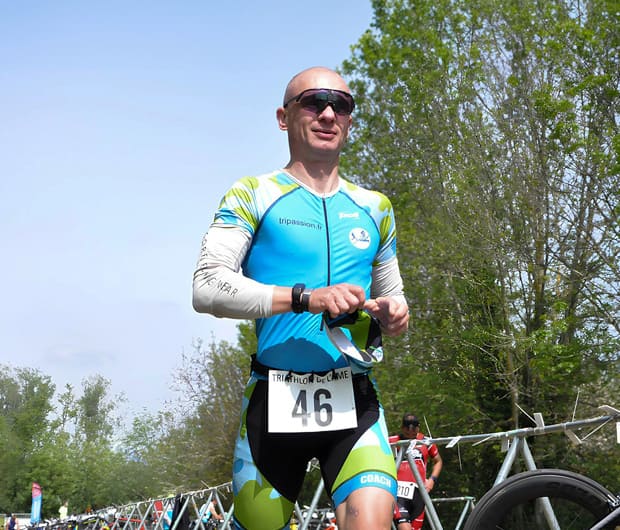
"As someone who's recently needed reading glasses, ENGO Edge has been particularly transformative. Before, I struggled to read the small text on my watch while running, often missing crucial data or having to slow down just to check metrics. Now, ENGO projects my data comfortably ahead at the perfect distance, eliminating the frustration of squinting at my watch. This benefit alone has made me an enthusiastic advocate within the ENGO community, especially for fellow athletes dealing with farsightedness.
As both a coach and competitor tackling events from the 150km Diagonale des Fous to Frenchman XXL triathlons, I require absolute precision in my training. My approach has always been data-driven, but the constant need to check multiple metrics was disrupting my flow and concentration, especially off-track.
ENGO has revolutionized my training methodology. For cycling, my configuration displays 3-second power (slightly enlarged), cadence, heart rate, lap power, and lap time. This setup allows me to instantly correlate power output with cardiovascular response, making real-time adjustments based on terrain and conditions. Cadence visibility helps me quickly select optimal gearing on variable slopes without breaking my rhythm or position.
For running, I utilize a six-metric display: 3-second power, heart rate, speed, lap speed, lap time, and lap distance. The difference in my interval training is remarkable—previously, despite audio cues from my watch, I'd inevitably lose track of where I was in a session, especially on technical terrain. Now, I maintain complete awareness of my position within each interval while simultaneously monitoring effort metrics.
The safety implications cannot be overstated. Training off-track requires constant vigilance, and eliminating the need to lower my head to check data has substantially reduced risk. In competitive situations, particularly in cycling packs, maintaining visual awareness while monitoring performance has transformed my race management.
What I find most valuable is how ENGO facilitates the correlation between objective metrics and subjective feeling. This constant feedback loop has improved my intuitive understanding of effort across varying conditions—when drafting, facing headwinds, or tackling technical terrain. For coaches especially, this technology offers insights that translate directly into better guidance for athletes.
For anyone hesitant about adopting new technology, I would emphasize that ENGO doesn't add complexity—it eliminates it, creating a more natural, safer, and ultimately more effective training experience. As a committed beta tester for ENGO, I've seen firsthand how this technology continues to evolve and enhance the athletic experience for all users, regardless of visual challenges."
Discover engo3
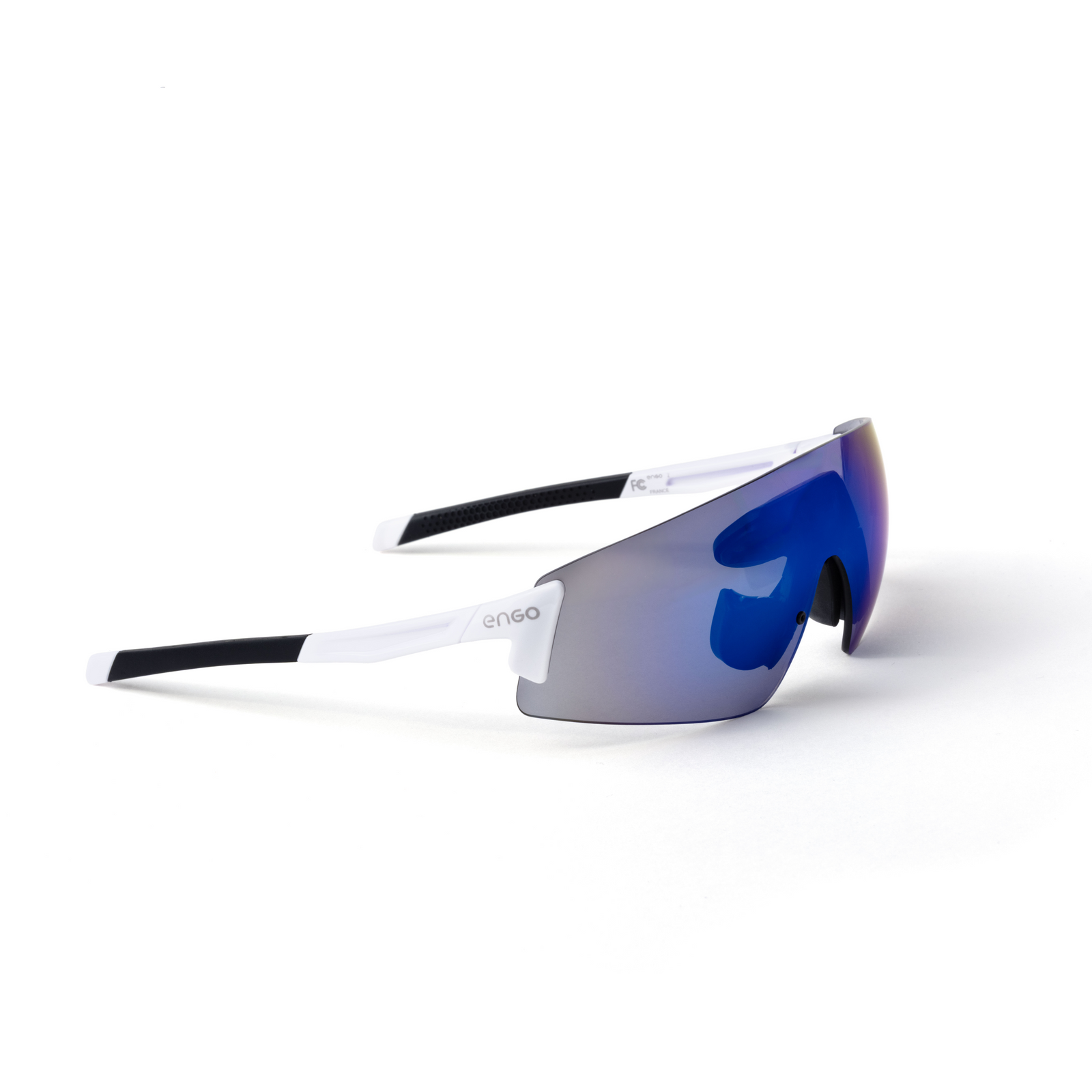
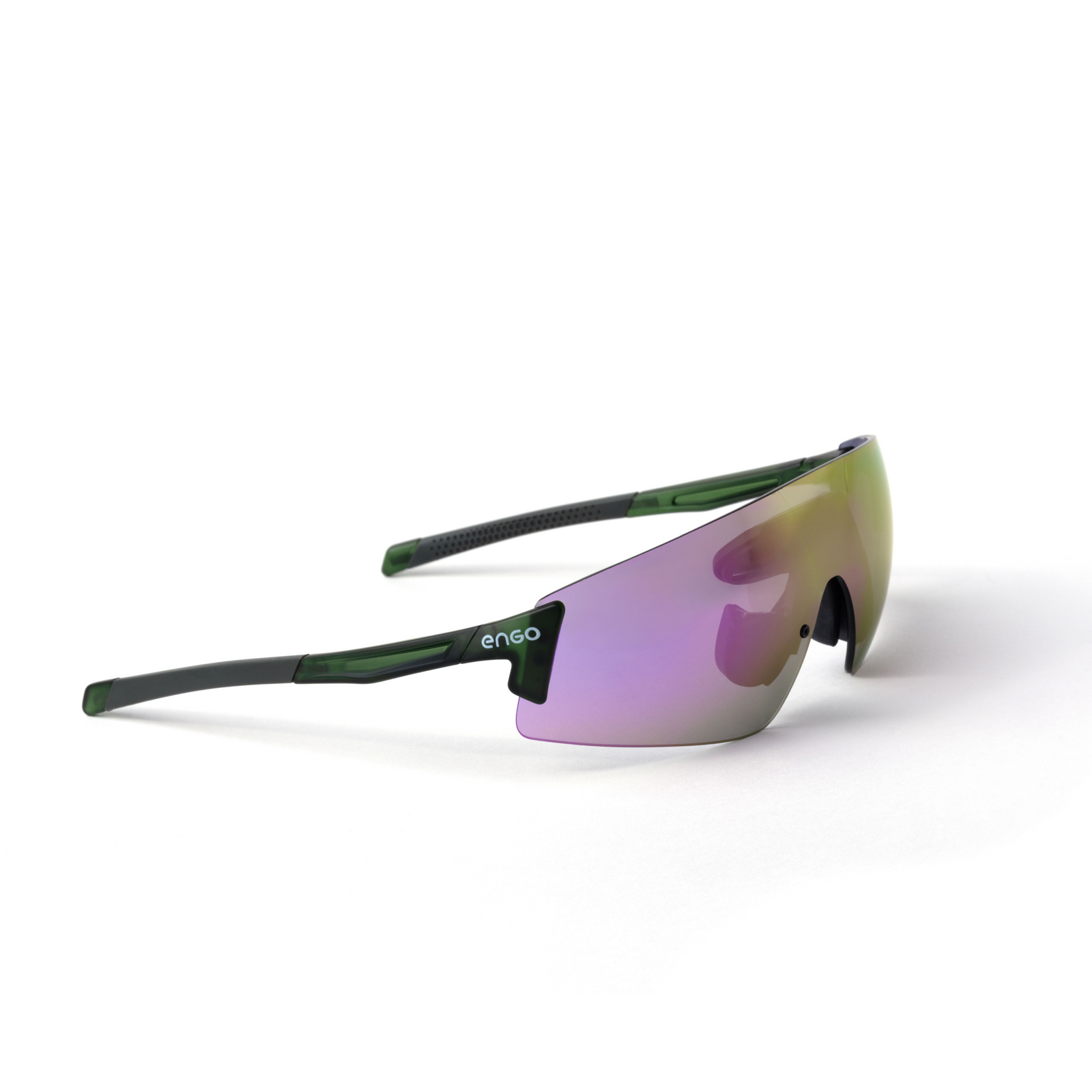
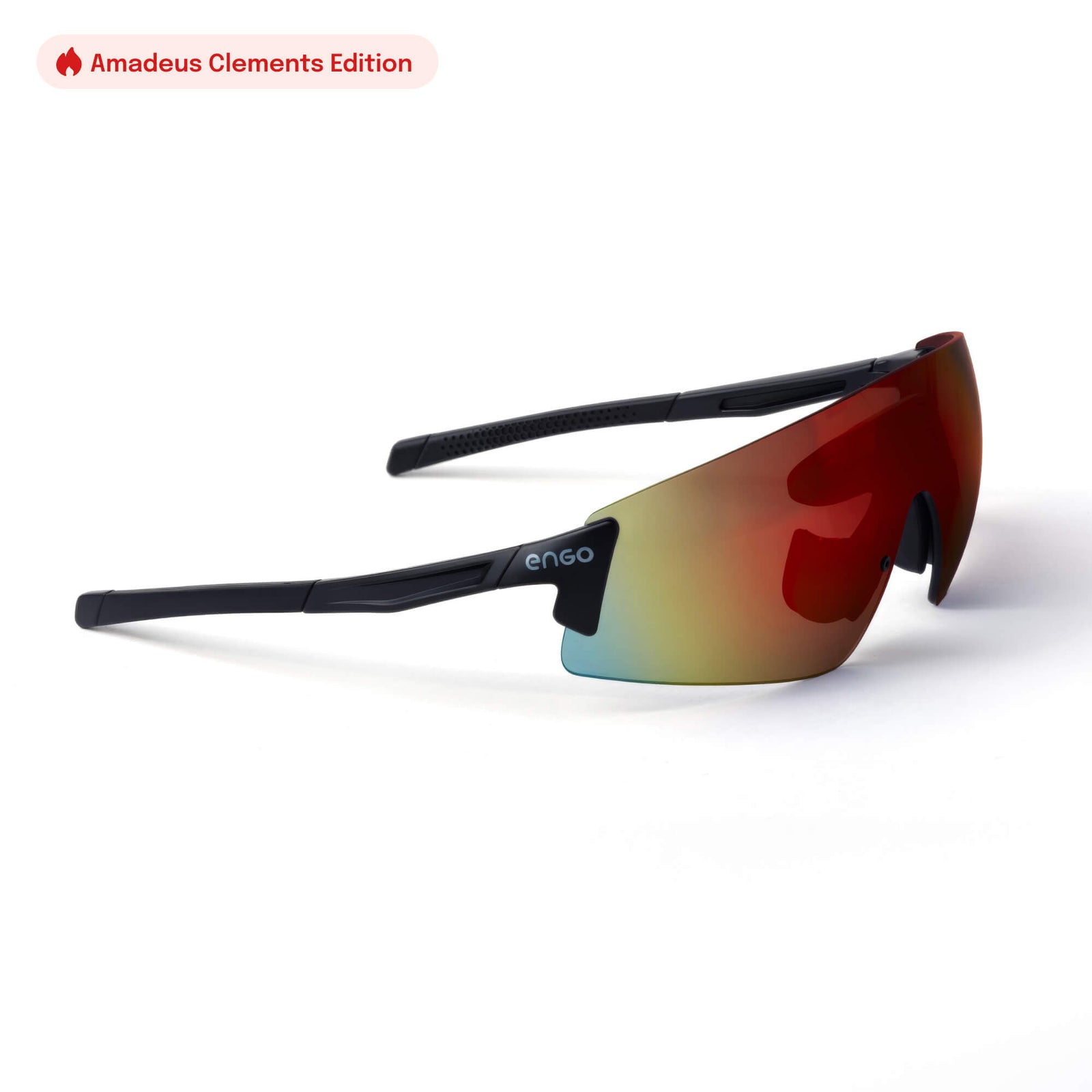
Everything runners ask, answered.
Will I even notice a difference?
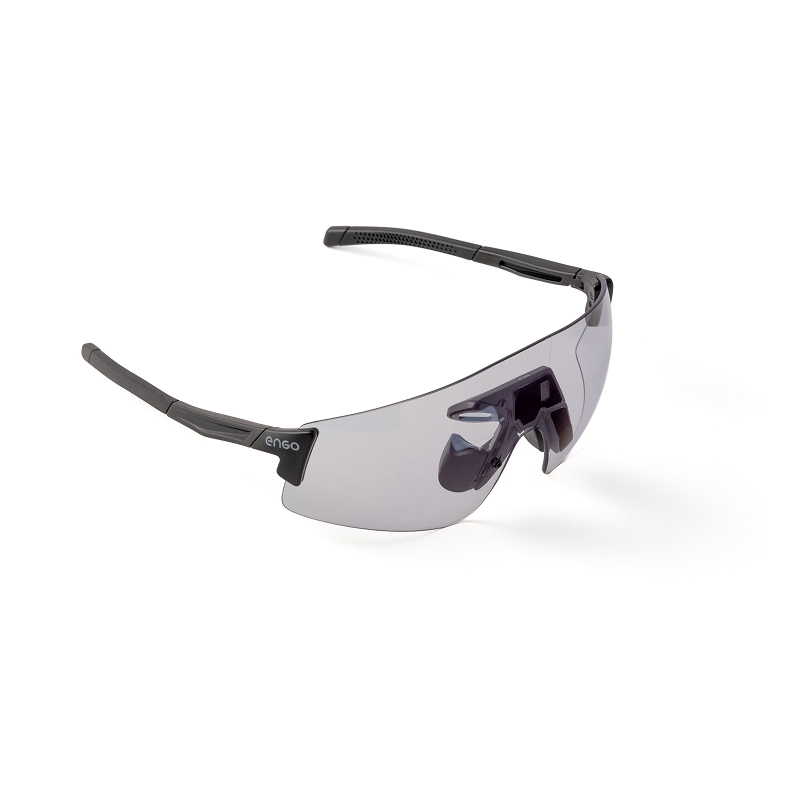
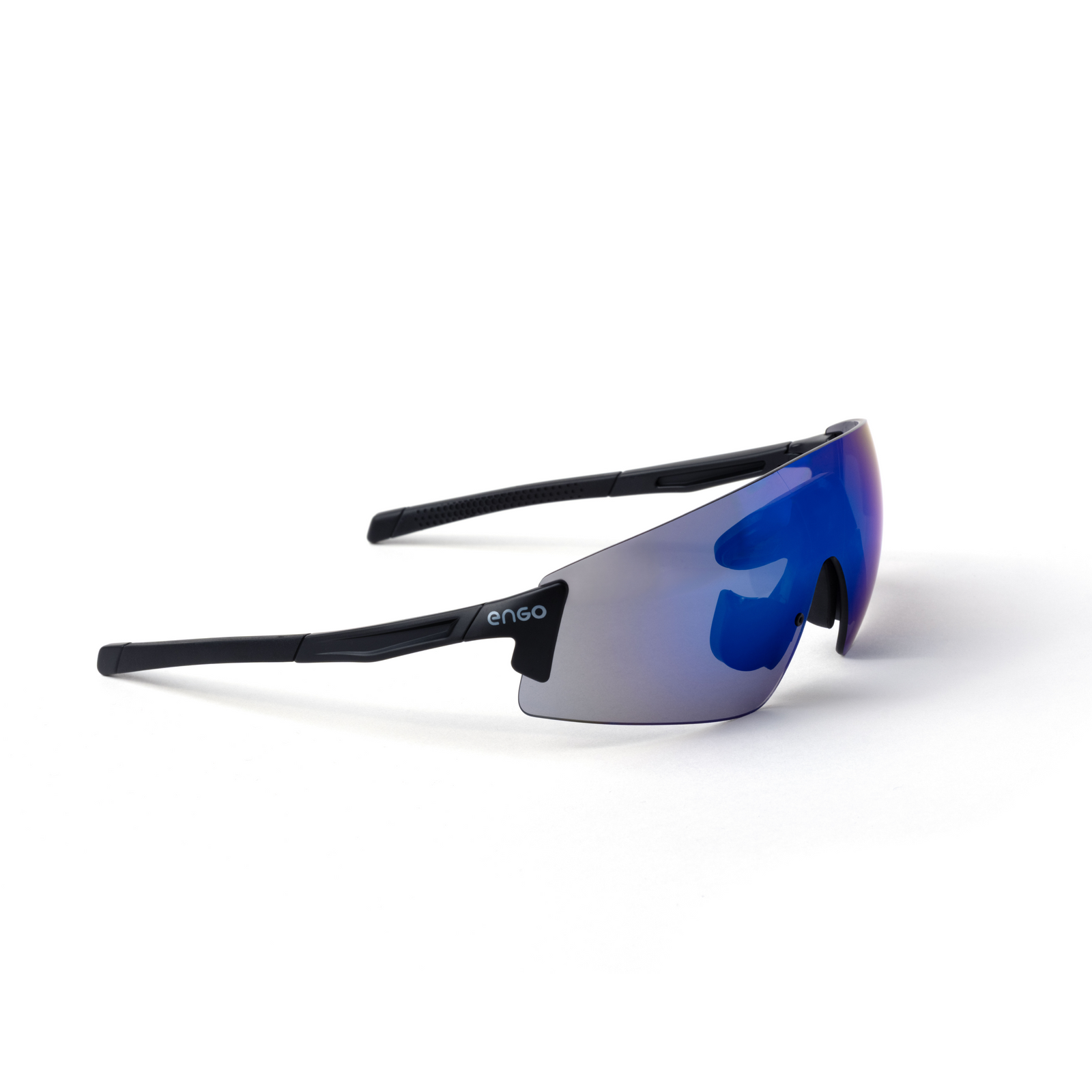
The engo3 uses fixed tinted lenses (category 3), perfect for very sunny conditions. The engo3 Photochromic features photochromic lenses that automatically adapt to light levels (cat. 0 to 3), making it ideal for changing light conditions.
Is engo3 compatible with Garmin?
Yes it is, with over 81+ models of Garmin devices, plus Apple Watch.
How is engo3 different from Meta Oakley Vanguard?
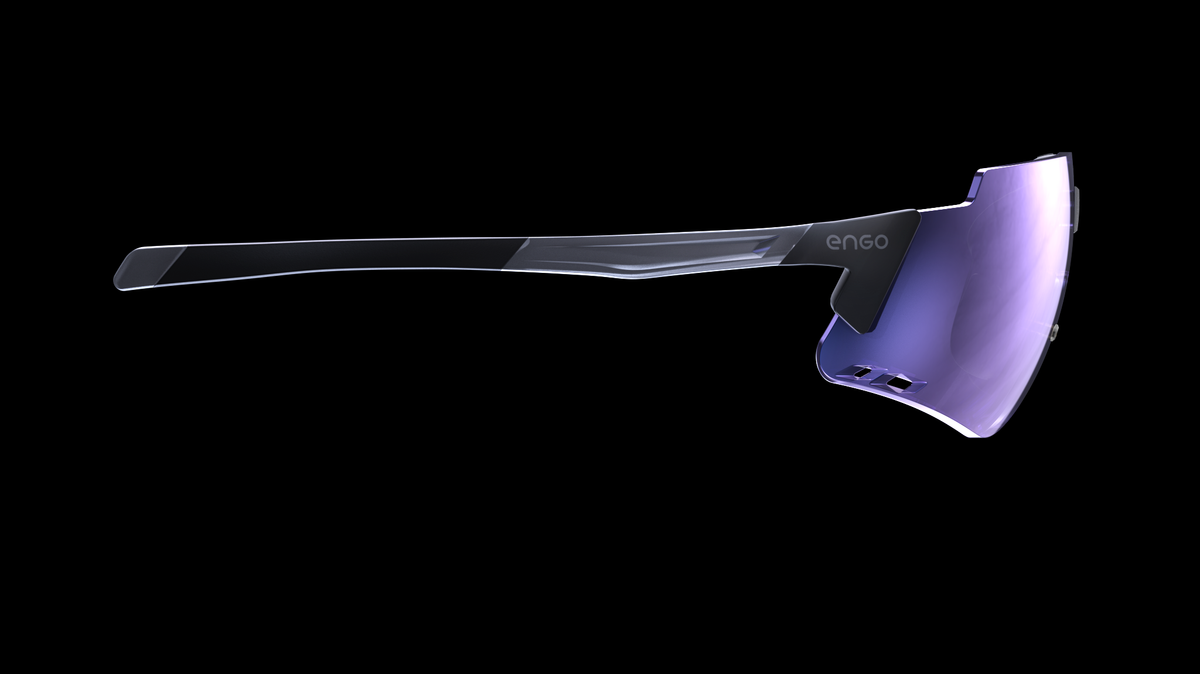
engo3 is a pure performance display built for serious runners and cyclists: a lightweight AR heads-up display (38.5g) that projects your stats (pace, heart rate, cadence, and more) right in your line of sight, with 20+ hours of battery life and no camera, music, or notifications to distract you.
The Oakley Meta Vanguard is a general-purpose smart glasses product with a built-in camera and Meta AI, giving you sport stats through voice commands or audio rather than a visual display, with about 9 hours of battery life. In short: engo3 keeps your eyes on the road and your data always visible, Vanguard is a multitasking device where sport is one feature among many.
How long does the engo3 battery last?
24+hours
Can I use engo3 for trail running or ultras?
Yes!
Does engo3 have a camera?
No, engo3 doesn't have a camera. It's built purely as a data display: no camera, no music, no notifications, just your real-time stats (pace, heart rate, cadence, etc.) projected in your field of view. That's a deliberate choice to keep it light (38.5g) and focused on performance rather than content capture.
What is the weight of engo3?
38.5 gr
Read more articles

Sardines: The Runner's Superfood Hiding in Your Pantry
Cheap, shelf-stable and packed with protein, omega-3s, vitamin D and calcium, sardines deserve a place in every runner's diet. Here is why, and easy ways to eat more of them.

The +11°C rule: how to actually dress for cold weather running
The science-backed rule that stops you from overdressing on cold mornings, plus a few field-tested hacks from the engo 6AM Club.
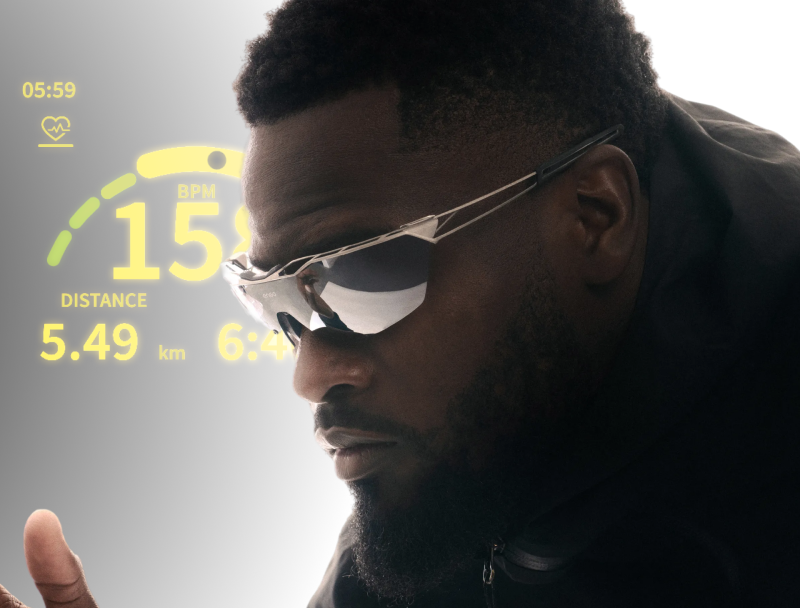
engo3 Titanium: built to disappear
500 frames. Aerospace-grade titanium, grown layer by layer, 28,9 grams total. Discover why we engineered engo3 Titanium, and why some objects are worth owning for a lifetime.

Compatible Devices
Works with most Garmin and Apple Watch. See the complete list of supported devices and third-party apps that work seamlessly with engo.
Check the compatibility of your device
Get Started in Minutes
Step-by-step instructions for pairing ENGO with your specific watch model. Clear, simple guidance to get you from unboxing to your first run in under 5 minutes.
Connect ENGO to your device
Returns
Train with engo for 30 days. If it doesn't transform your running, return it free with our prepaid label. Full refund, no questions asked, no restocking fees.
See Return Process
Questions? We're Here.
Browse our FAQ library, explore detailed setup guides, search our help database, or chat directly with our support team. Real help when you need it.
Visit Support Center