


Jordan Bryden
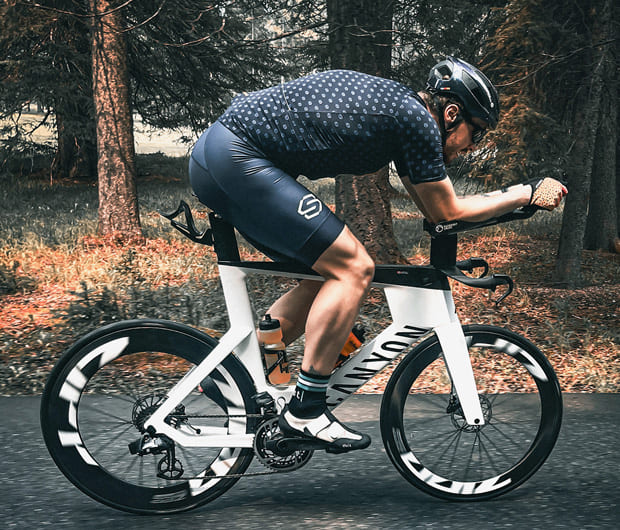
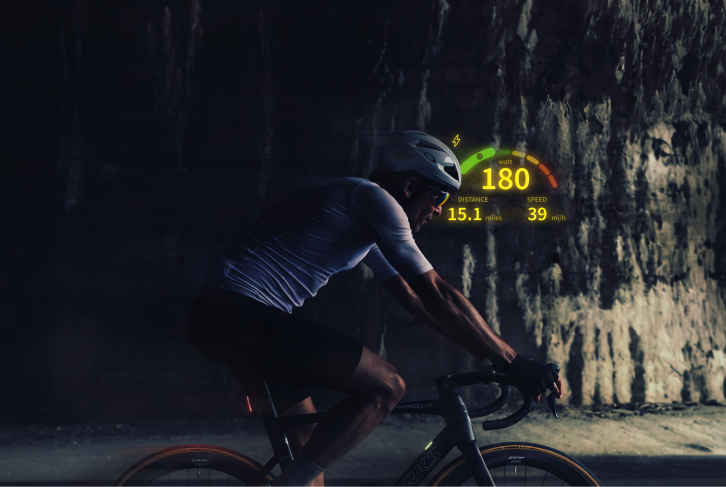
I'm a triathlete who loves interval training on the bike, but it's easy to drift out of the right power zone, especially when fatigue sets in. That's where ENGO really shines. During my Ironman prep, I connected my power sensor to ENGO and built a custom dashboard showing power output, time, and distance right in my field of vision.
After 18 years as a professional triathlete, I've developed a healthy skepticism toward new gadgets in the endurance space. Most end up being short-lived gimmicks that add complexity without providing real value. ENGO, however, has genuinely surprised me with its elegant simplicity and meaningful impact on my training.
Initially reluctant to add another device to my setup, I was immediately impressed by how seamlessly the glasses integrated with my existing Garmin ecosystem. The display showing critical metrics like power output, heart rate, speed, and lap time sits perfectly in my peripheral vision—present when I need it, ignorable when I don't. During less intense sessions, I can go 15+ minutes without actively checking data, yet it's instantly available when necessary.
As an Ultraman World Champion preparing for events like Ironman Cairns Oceania Championship and the Norseman Xtri World Championships, aerodynamic efficiency is paramount. The ability to maintain optimal position on the bike without sacrificing awareness of my metrics has measurably improved my training quality. Every time we look down at a bike computer, we compromise position and increase drag—ENGO eliminates this compromise entirely.
Beyond the performance advantages, there's a significant safety benefit. Many cycling accidents occur when athletes momentarily shift focus to check their computers. Maintaining constant visual awareness of the road has made my training not just more effective, but considerably safer, particularly on technical descents or in group rides.
The subtlety of the display deserves special mention—so discreet that during coffee shop breaks, nobody realizes I'm still getting real-time workout data. This unobtrusiveness extends to the customization options; whether you prefer minimal metrics or comprehensive data, the system adapts to your preferences rather than forcing you to adapt to it.
For triathletes serious about optimizing both training and race execution, ENGO represents that rare innovation that actually delivers on its promise—enhancing performance while simplifying the experience rather than complicating it."
Discover engo3
Everything runners ask, answered.
Will I even notice a difference?
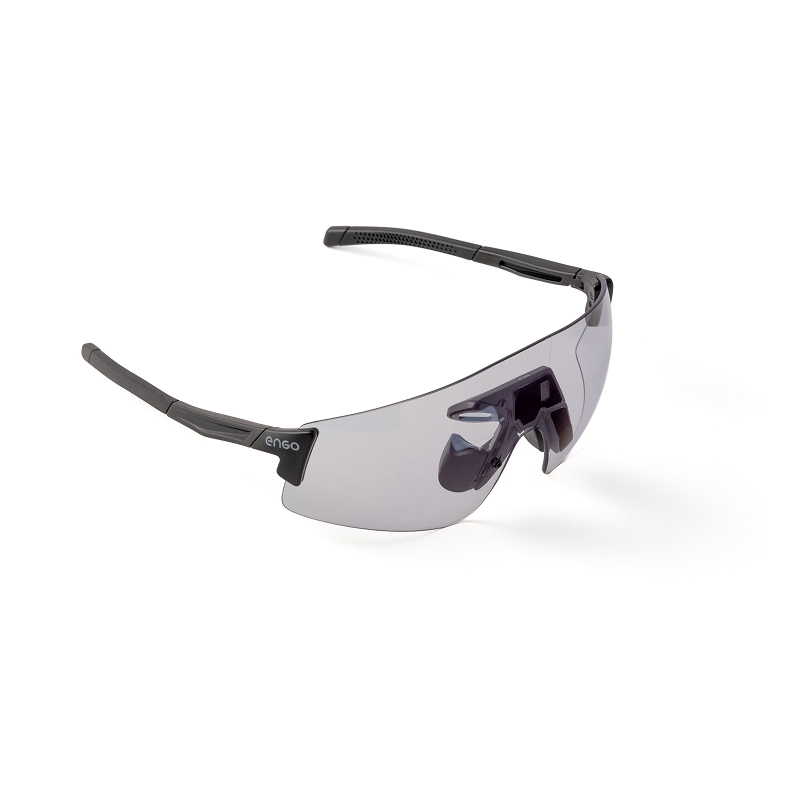
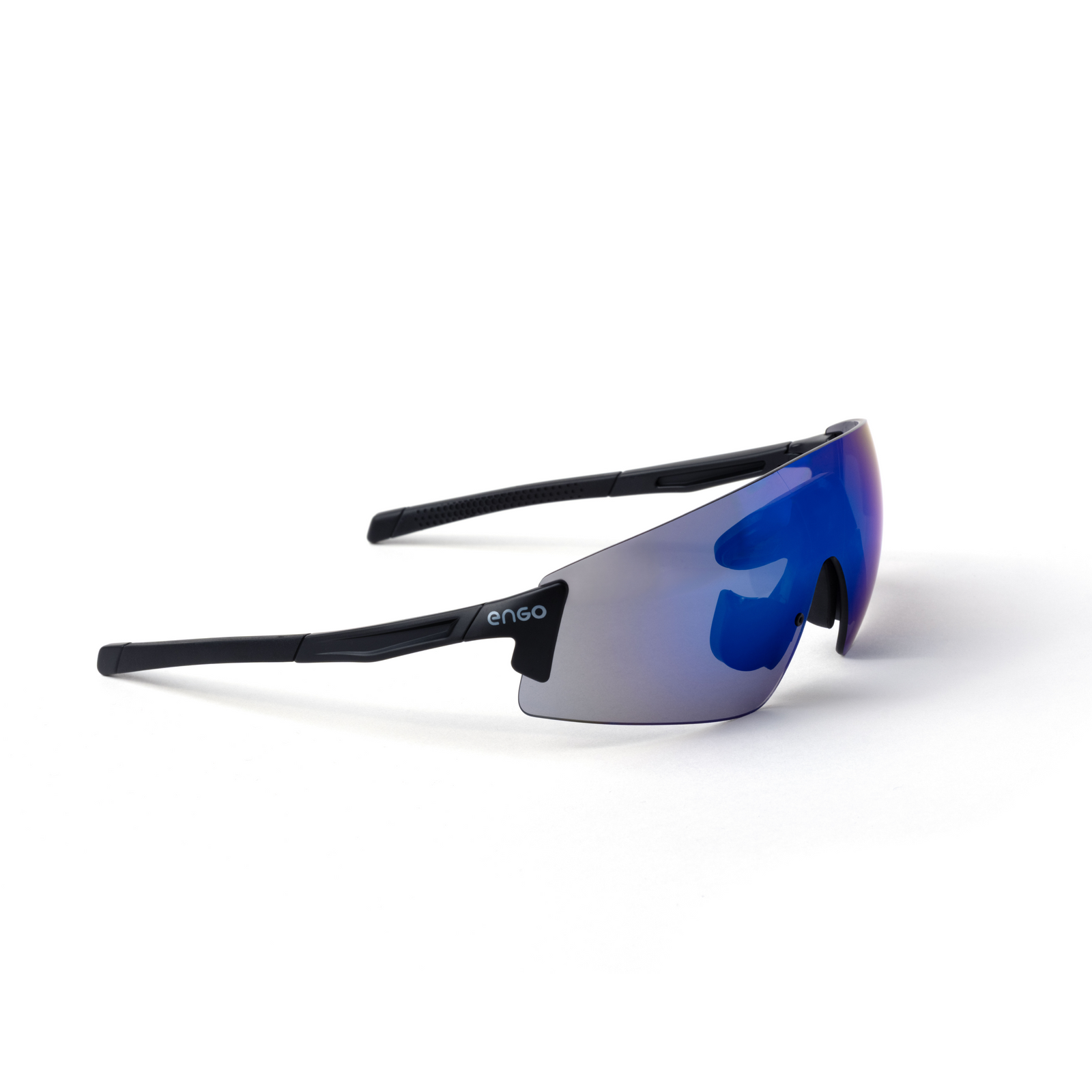
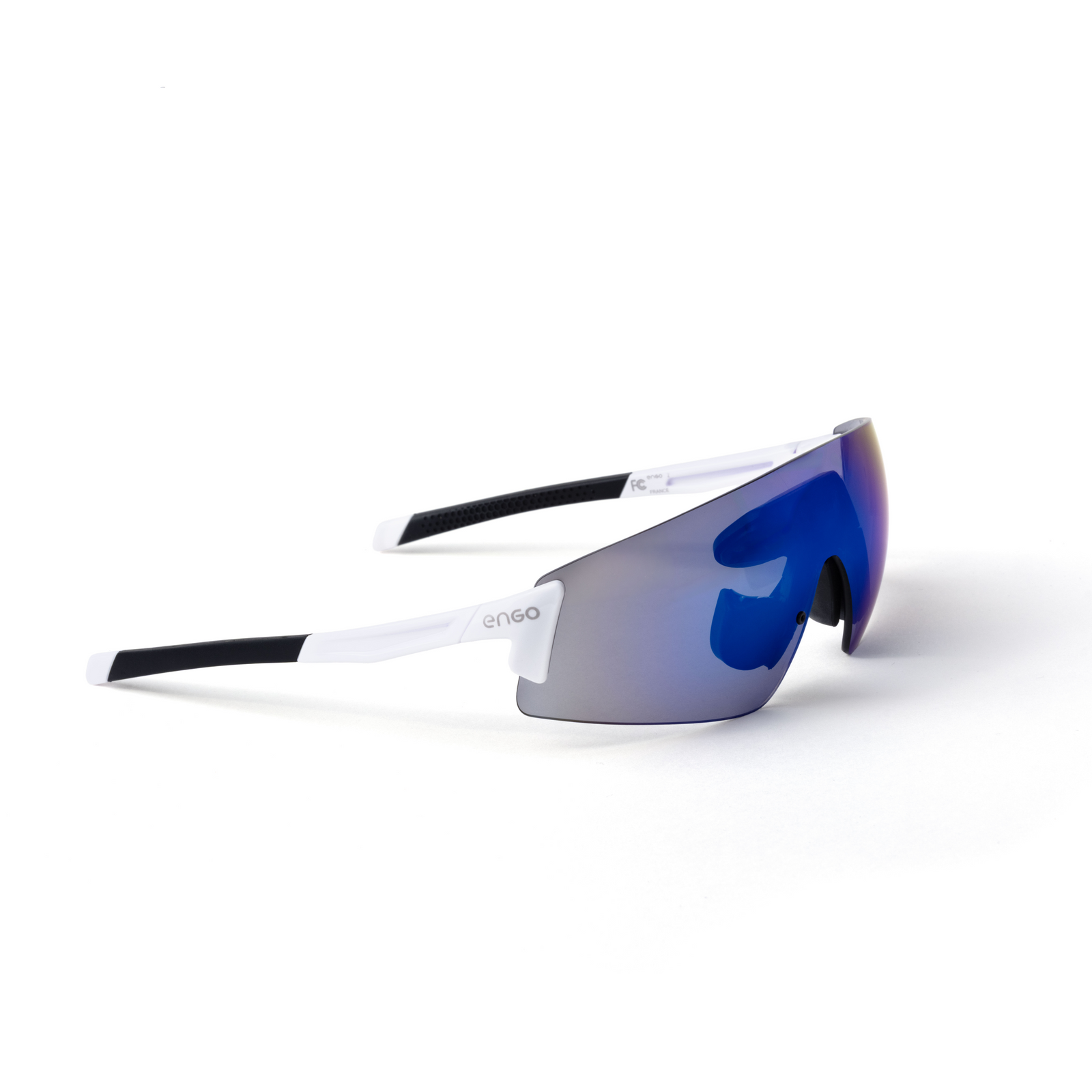
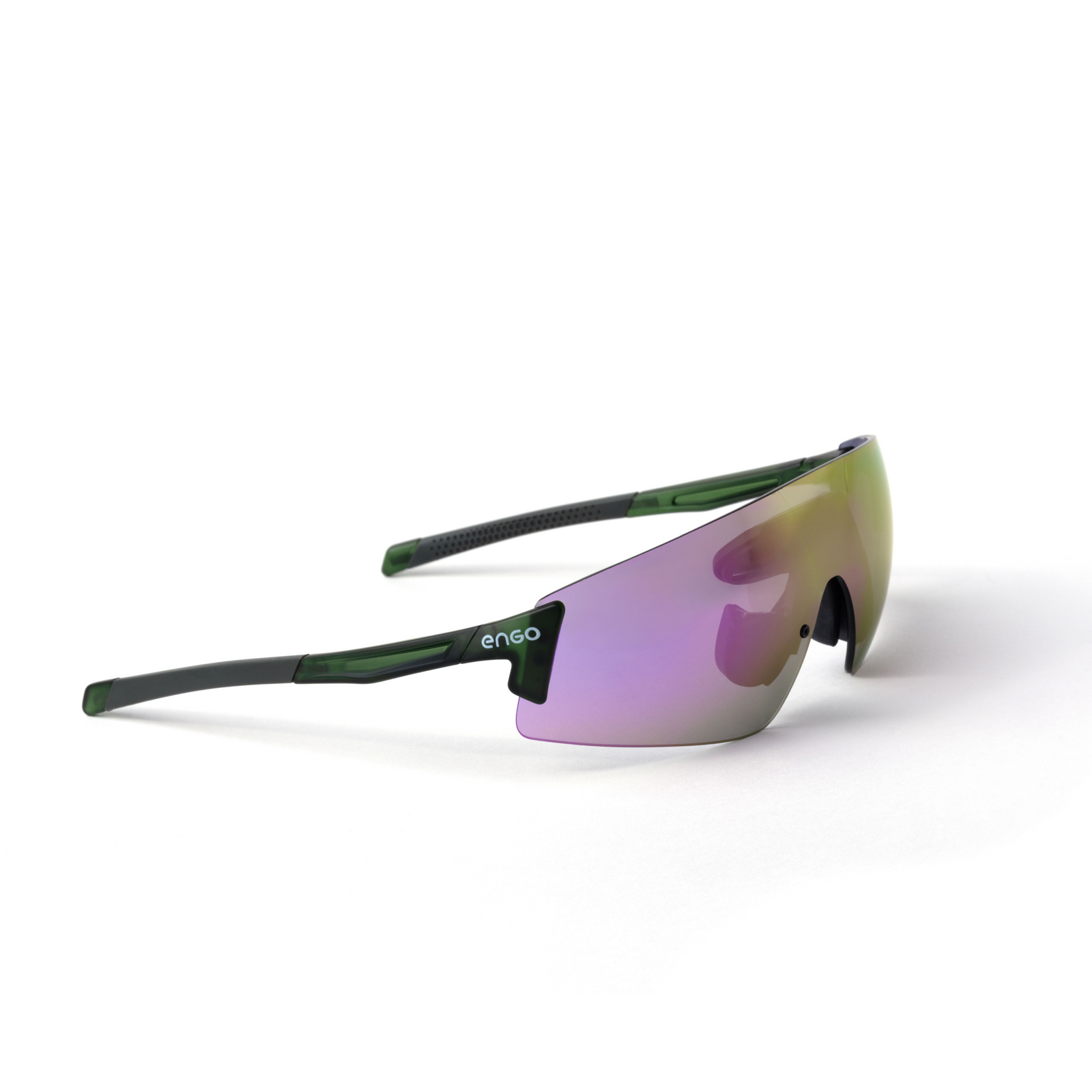
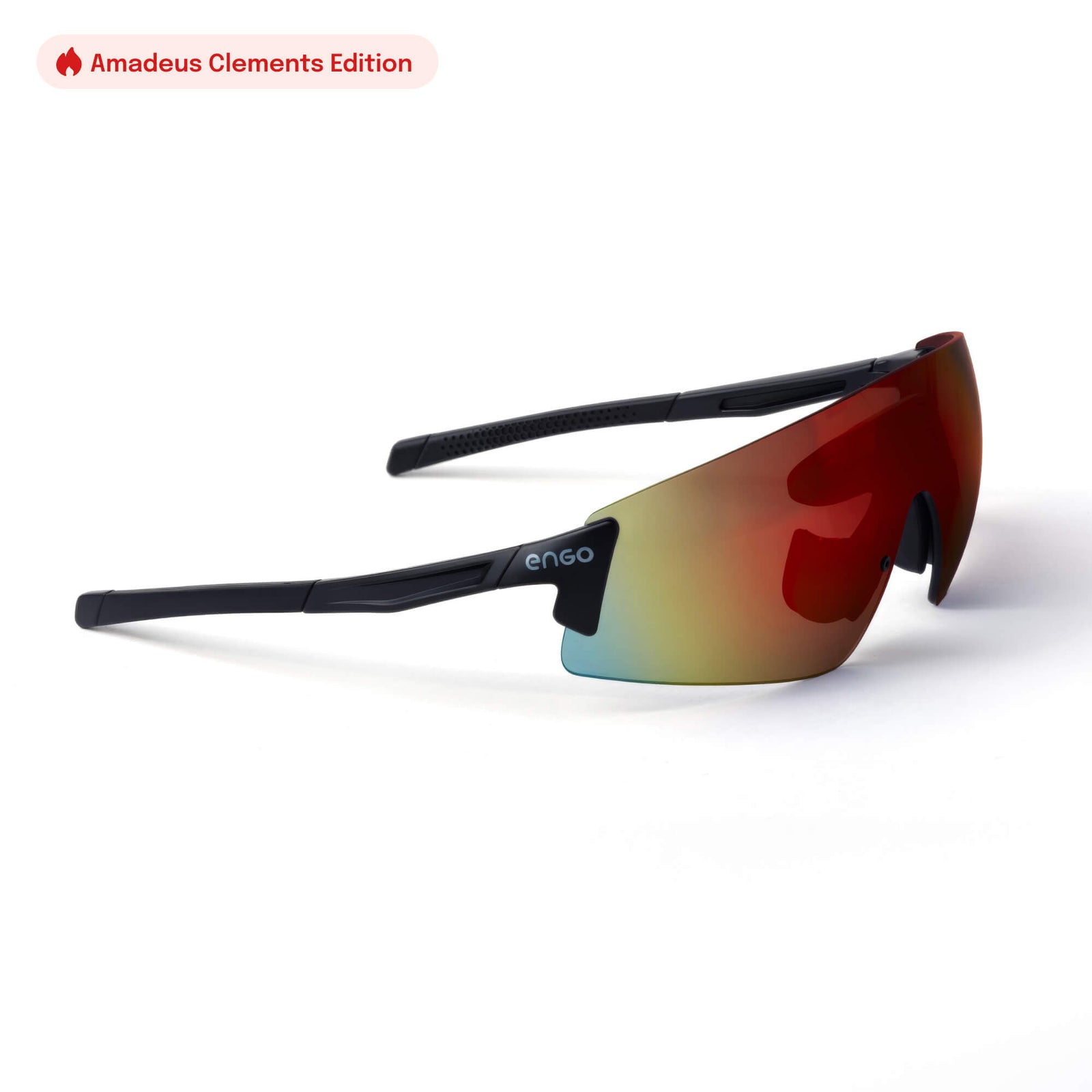
The engo3 uses fixed tinted lenses (category 3), perfect for very sunny conditions. The engo3 Photochromic features photochromic lenses that automatically adapt to light levels (cat. 0 to 3), making it ideal for changing light conditions.
Is engo3 compatible with Garmin?
Yes it is, with over 81+ models of Garmin devices, plus Apple Watch.
How is engo3 different from Meta Oakley Vanguard?
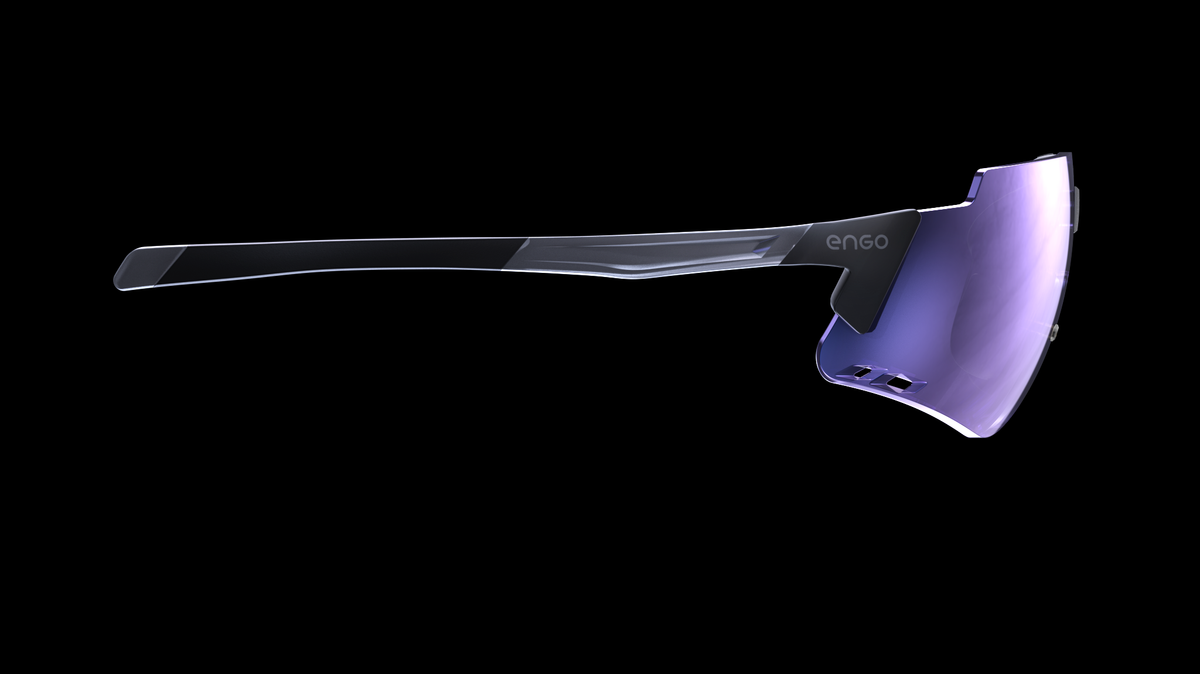
engo3 is a pure performance display built for serious runners and cyclists: a lightweight AR heads-up display (38.5g) that projects your stats (pace, heart rate, cadence, and more) right in your line of sight, with 20+ hours of battery life and no camera, music, or notifications to distract you.
The Oakley Meta Vanguard is a general-purpose smart glasses product with a built-in camera and Meta AI, giving you sport stats through voice commands or audio rather than a visual display, with about 9 hours of battery life. In short: engo3 keeps your eyes on the road and your data always visible, Vanguard is a multitasking device where sport is one feature among many.
How long does the engo3 battery last?
24+hours
Can I use engo3 for trail running or ultras?
Yes!
Does engo3 have a camera?
No, engo3 doesn't have a camera. It's built purely as a data display: no camera, no music, no notifications, just your real-time stats (pace, heart rate, cadence, etc.) projected in your field of view. That's a deliberate choice to keep it light (38.5g) and focused on performance rather than content capture.
What is the weight of engo3?
38.5 gr
Read more articles

The work behind the display: three months of software updates
A note from engo's software lead on what's changed since launch, for both Garmin and Apple Watch users.
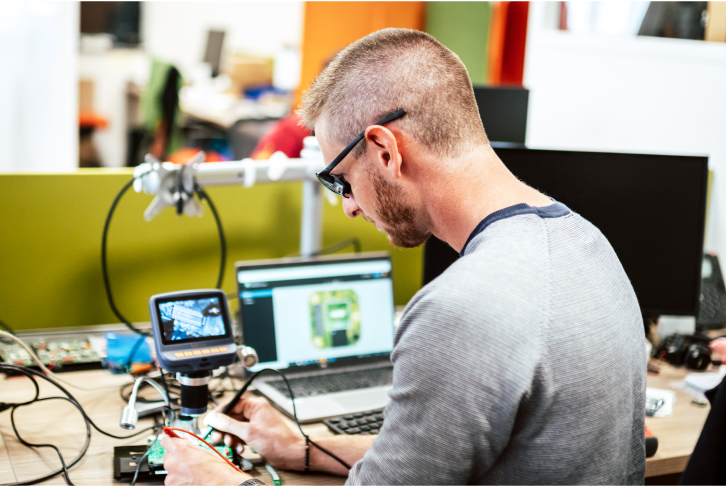
engo on TF1 : Inside our technology
TF1 came to meet us in Grenoble to discover the technology behind our smart glasses and see them in action, from running and cycling to sailing.
How the power zone widget works in engo3
Your power meter pairs to your Garmin, not to your glasses, and your zones are set in the engo3 app, not pulled from Garmin. Here is exactly how your power zone reaches your engo3 HUD, what it show...

Compatible Devices
Works with most Garmin and Apple Watch. See the complete list of supported devices and third-party apps that work seamlessly with engo.
Check the compatibility of your device
Get Started in Minutes
Step-by-step instructions for pairing ENGO with your specific watch model. Clear, simple guidance to get you from unboxing to your first run in under 5 minutes.
Connect ENGO to your device
Returns
Train with engo for 30 days. If it doesn't transform your running, return it free with our prepaid label. Full refund, no questions asked, no restocking fees.
See Return Process
Questions? We're Here.
Browse our FAQ library, explore detailed setup guides, search our help database, or chat directly with our support team. Real help when you need it.
Visit Support Center