


Stay Safe, Stay in Control
Sommaire
- Metrics and trail vision—can you really manage both?
- Eyes on the Path: How ENGO Enhances Situational Awareness in Training
- The Dangerous Reality of Watch-Checking
- Critical Moments of Vulnerability
- ENGO's Safety-Performance Integration
- Real-World Safety Applications
- Safety Through Continuous Monitoring

Metrics and trail vision—can you really manage both?
Eyes on the Path: How ENGO Enhances Situational Awareness in Training
For endurance athletes, safety and performance have traditionally existed in tension with each other. Monitoring performance metrics draws attention away from the environment, while focusing solely on safety means training without critical data. This dilemma creates what exercise scientists call "attentional conflict"—a cognitive struggle with serious performance and safety implications.
The Dangerous Reality of Watch-Checking
The data on watch-checking safety incidents is sobering:
- According to running safety studies, momentary distractions contribute to approximately 17% of running-related accidents
- Cyclists looking down at bike computers account for nearly 8% of non-vehicle cycling incidents
- Trail runners report that data-checking on technical terrain is a leading cause of falls and ankle injuries
Ultraman World Champion Jordan Bryden highlights this reality: "Many biking accidents and running missteps occur each year due to athletes looking down at their computers or watches. Maintaining your focus on the road 100% of the time significantly enhances safety."
Critical Moments of Vulnerability
Sports psychologists identify several high-risk scenarios where traditional metrics-checking creates danger:
- Technical trail descents - When speed control and foot placement are critical
- Dense pack running - During races with crowded conditions
- City running - Navigating traffic, pedestrians, and urban obstacles
- Cycling descents - High-speed situations demanding full attention
- Fatigue phases - When coordination and reaction time are already compromised
ENGO's Safety-Performance Integration
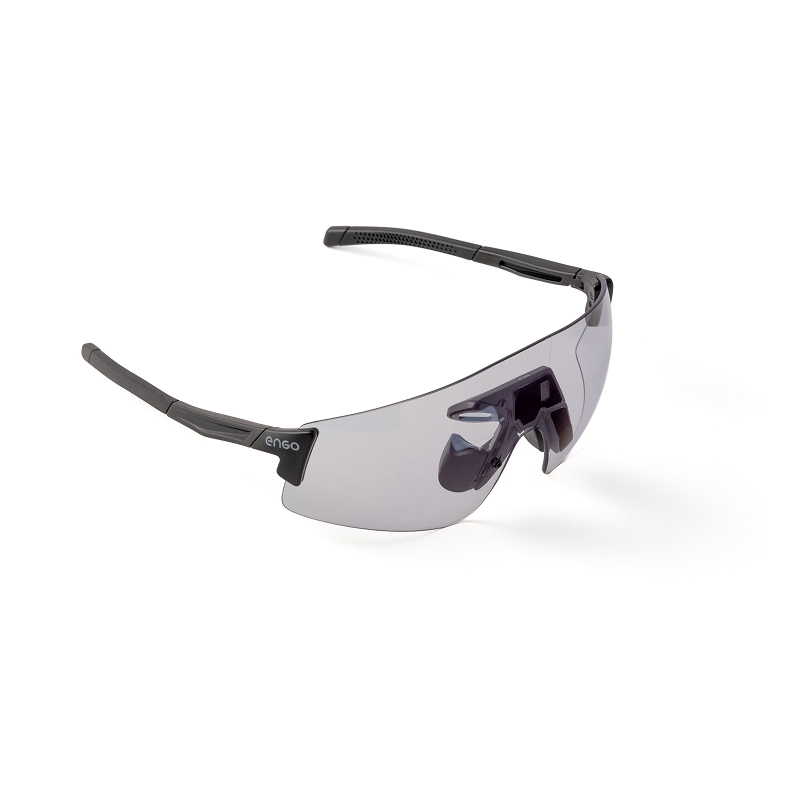
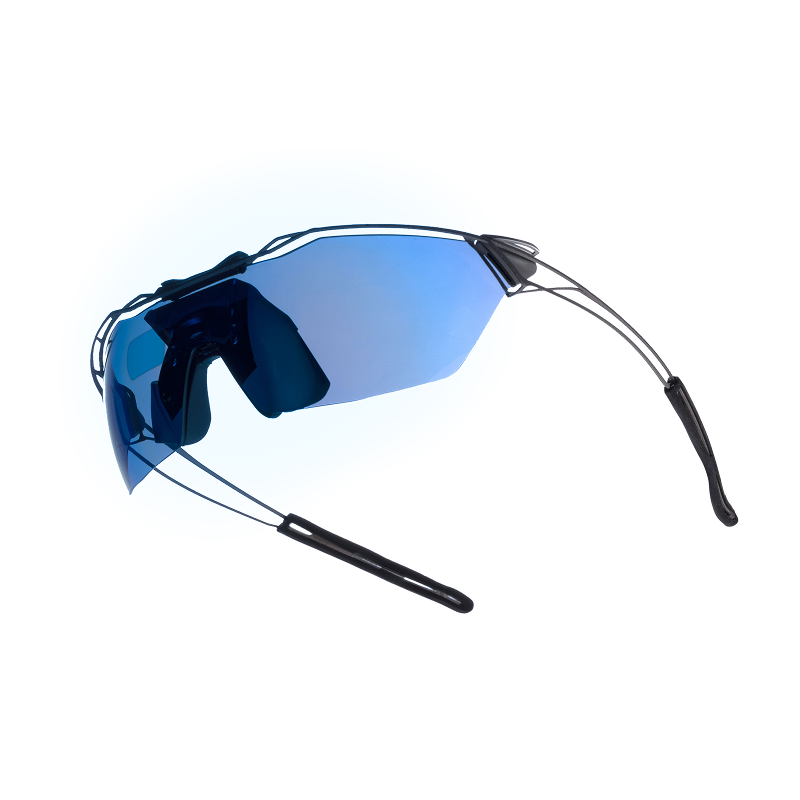
ENGO's heads-up display technology creates what safety experts call "persistent situational awareness"—maintaining environmental vigilance while simultaneously monitoring performance data.
Coach and athlete Yves Trinidad explains the impact: "For a cyclist in a pack, ENGO makes managing your race much safer by reducing the need to constantly check your bike computer. In mountain biking, the risk of crashing is high, but with ENGO, I can keep my eyes on the trail and still monitor my effort."
This simultaneous awareness creates a physiological advantage through:
- Unbroken visual tracking - Maintains trail reading and obstacle scanning
- Preserved neck positioning - No head tilting to check watch
- Continuous proprioceptive awareness - Better awareness of body position on technical terrain
- Reduced startle response - Fewer unexpected obstacles due to attention shifts
Real-World Safety Applications
ENGO provides safety benefits across multiple training environments:
Road Running: Triathlete Tenchi So notes: "I can execute by feel and match my speed and effort naturally during racing, without being distracted by my watch or the stress of the racing environment (hot, cold, windy, hilly, etc.)"
Trail Running: The ability to monitor pace and heart rate while navigating technical terrain transforms the trail running experience. Advanced trail runners can maintain threshold effort on variable terrain without sacrificing situational awareness.
Cycling: Speed skater and cyclist Peter Michael explains: "When you're struggling to keep pushing, seeing your speed and vitals through the lens helps you maintain your pace and keep digging deep. There's no need to look at your watch; just focus and push forward."
Safety Through Continuous Monitoring
Beyond avoiding accidents, ENGO's continuous data visibility offers another safety advantage: earlier detection of physiological distress signals.
By maintaining constant awareness of heart rate, pace, and power, athletes can identify warning signs of overexertion, dehydration, or hypoglycemia before they become dangerous—what sports physiologists call "preventative monitoring."
Jordan Bryden summarizes it perfectly: "Maintaining your focus on the road 100% of the time significantly enhances safety. Additionally, these glasses are so discreet that no one will notice you're deeply engaged in your workout mode, even during a mid-ride break at a coffee shop."
By integrating performance data directly into your field of vision, ENGO eliminates the traditional safety-performance tradeoff, creating a training environment where athletes can simultaneously push their limits and protect their wellbeing—eyes up, aware, and fully engaged with both their metrics and their environment.
Discover engo3
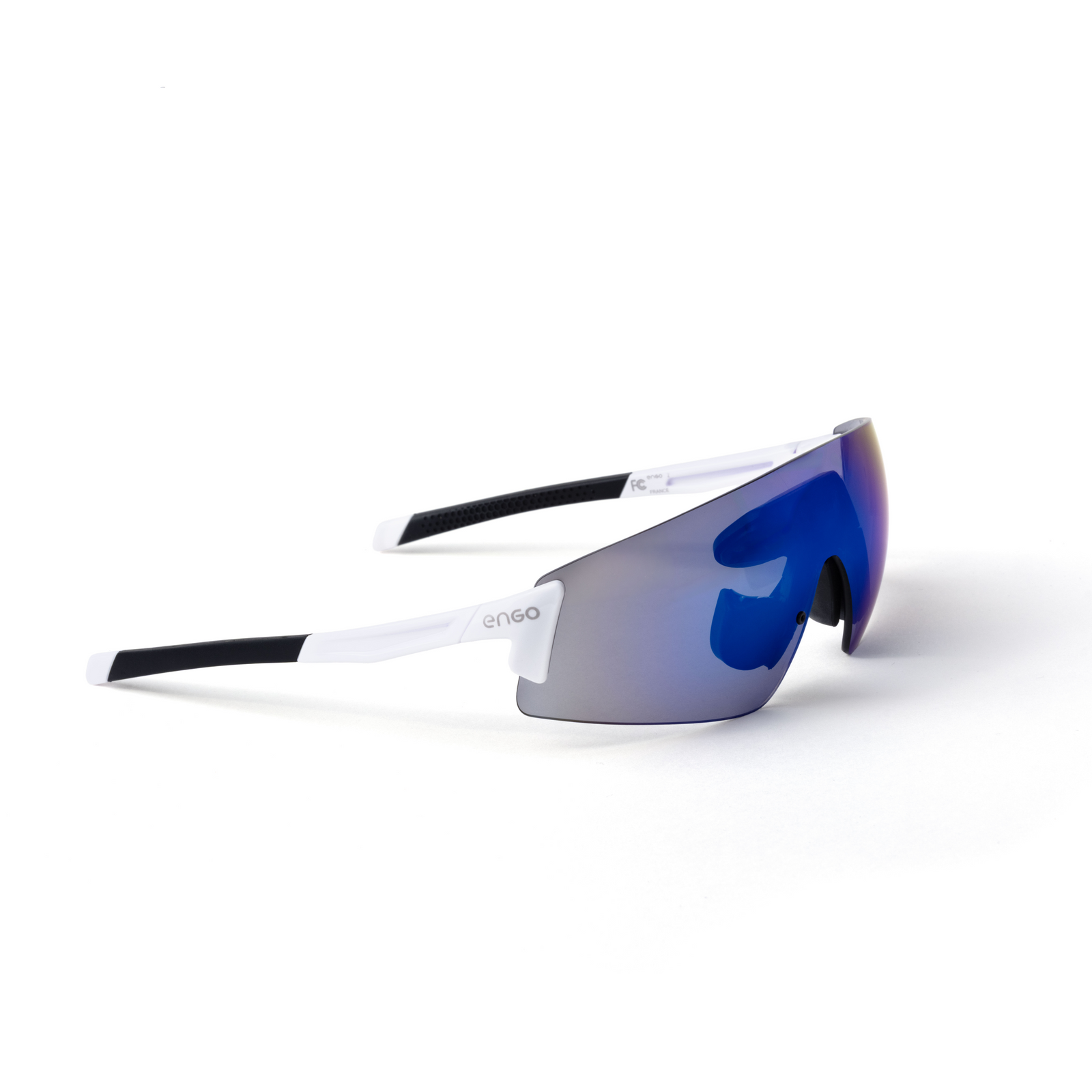
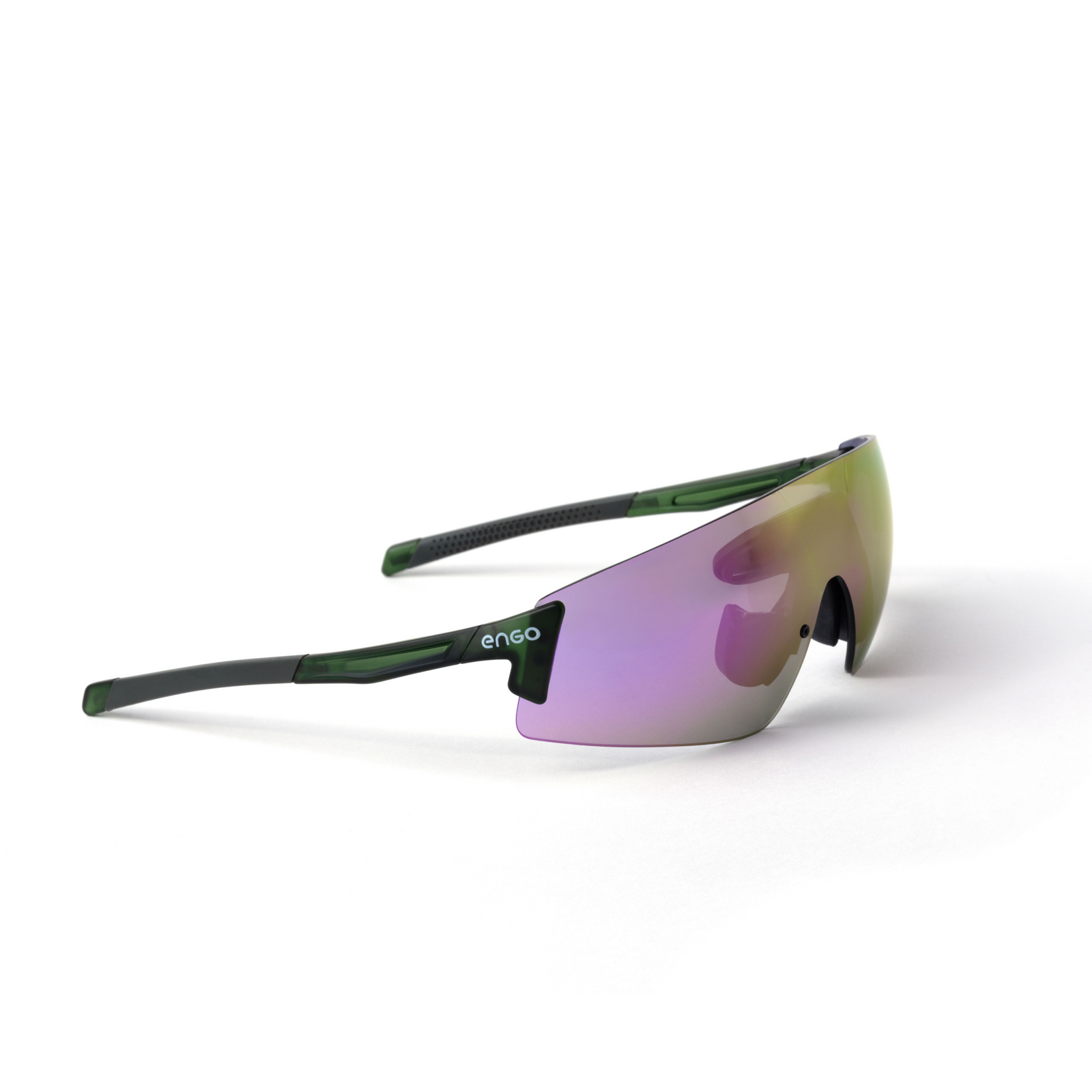
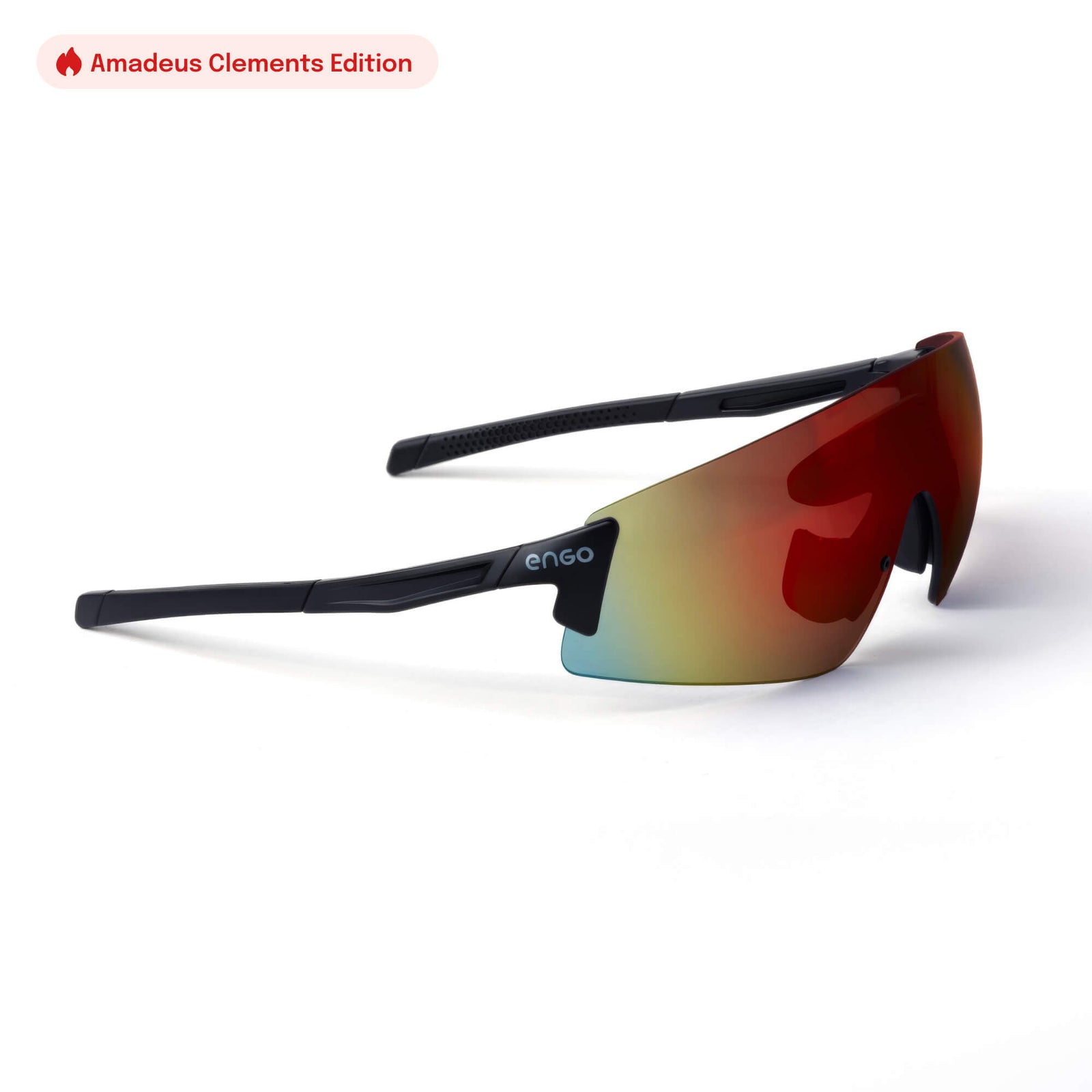
Everything runners ask, answered.
Will I even notice a difference?
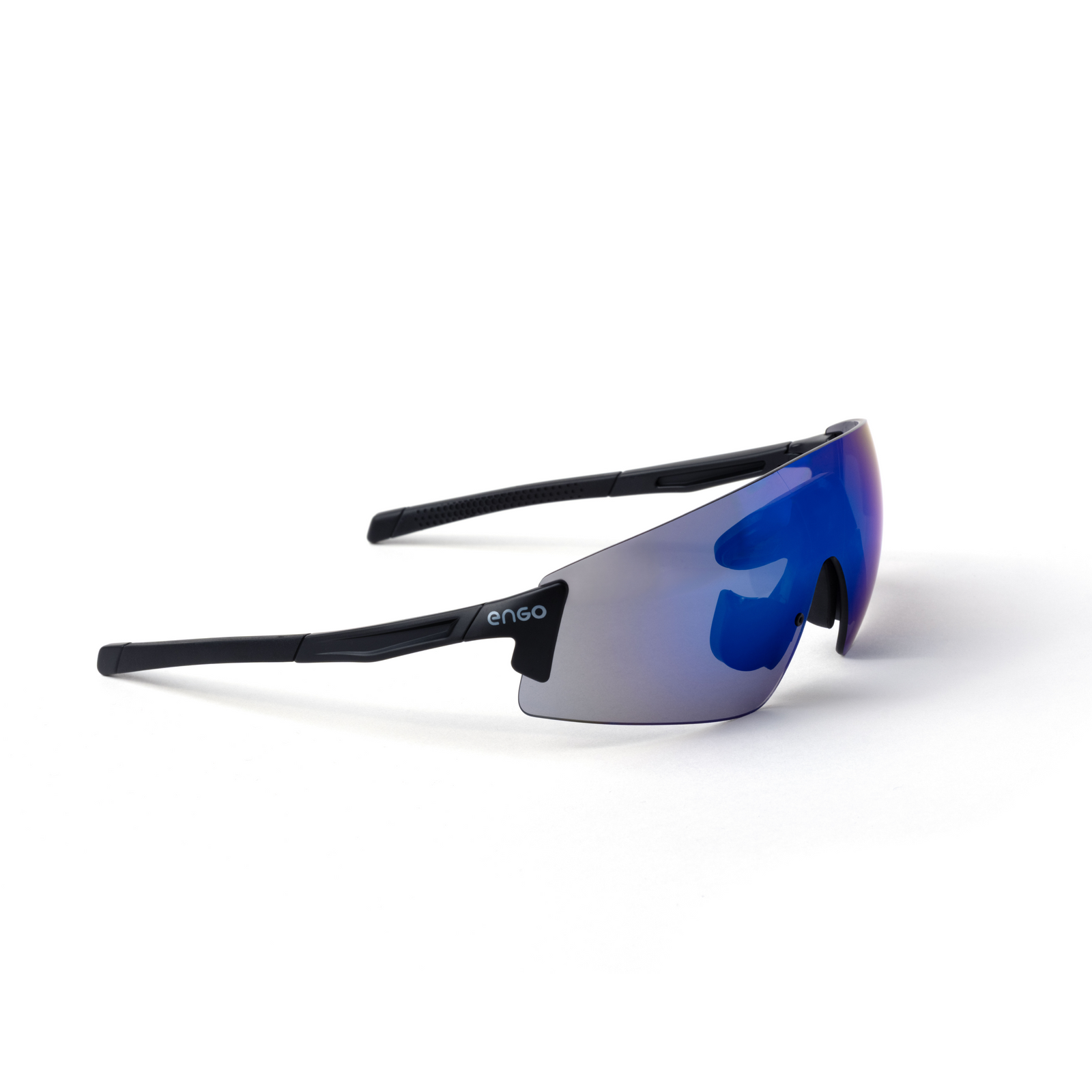
The engo3 uses fixed tinted lenses (category 3), perfect for very sunny conditions. The engo3 Photochromic features photochromic lenses that automatically adapt to light levels (cat. 0 to 3), making it ideal for changing light conditions.
Is engo3 compatible with Garmin?
Yes it is, with over 81+ models of Garmin devices, plus Apple Watch.
How is engo3 different from Meta Oakley Vanguard?
engo3 is a pure performance display built for serious runners and cyclists: a lightweight AR heads-up display (38.5g) that projects your stats (pace, heart rate, cadence, and more) right in your line of sight, with 20+ hours of battery life and no camera, music, or notifications to distract you.
The Oakley Meta Vanguard is a general-purpose smart glasses product with a built-in camera and Meta AI, giving you sport stats through voice commands or audio rather than a visual display, with about 9 hours of battery life. In short: engo3 keeps your eyes on the road and your data always visible, Vanguard is a multitasking device where sport is one feature among many.
How long does the engo3 battery last?
24+hours
Can I use engo3 for trail running or ultras?
Yes!
Does engo3 have a camera?
No, engo3 doesn't have a camera. It's built purely as a data display: no camera, no music, no notifications, just your real-time stats (pace, heart rate, cadence, etc.) projected in your field of view. That's a deliberate choice to keep it light (38.5g) and focused on performance rather than content capture.
What is the weight of engo3?
38.5 gr
Read more articles

The +11°C rule: how to actually dress for cold weather running
The science-backed rule that stops you from overdressing on cold mornings, plus a few field-tested hacks from the engo 6AM Club.
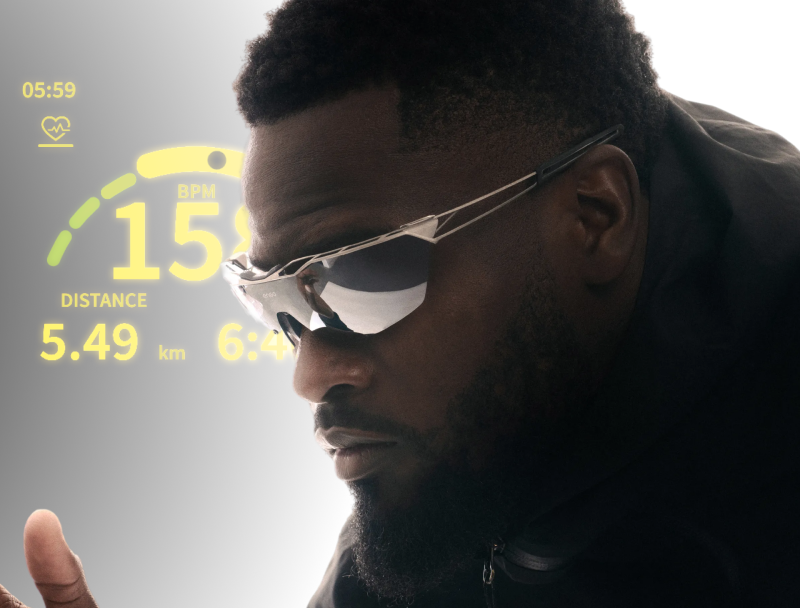
engo3 Titanium: built to disappear
500 frames. Aerospace-grade titanium, grown layer by layer, 28,9 grams total. Discover why we engineered engo3 Titanium, and why some objects are worth owning for a lifetime.

The work behind the display: three months of software updates
A note from engo's software lead on what's changed since launch, for both Garmin and Apple Watch users.

Compatible Devices
Works with most Garmin and Apple Watch. See the complete list of supported devices and third-party apps that work seamlessly with engo.
Check the compatibility of your device
Get Started in Minutes
Step-by-step instructions for pairing ENGO with your specific watch model. Clear, simple guidance to get you from unboxing to your first run in under 5 minutes.
Connect ENGO to your device
Returns
Train with engo for 30 days. If it doesn't transform your running, return it free with our prepaid label. Full refund, no questions asked, no restocking fees.
See Return Process
Questions? We're Here.
Browse our FAQ library, explore detailed setup guides, search our help database, or chat directly with our support team. Real help when you need it.
Visit Support Center